Structured & cumulative
New learning is introduced in a clear sequence and connected to secure earlier knowledge.
Specialist dyslexia tuition in Inkberrow
Individual, structured and multisensory one-to-one tuition for learners in Inkberrow and the local Worcestershire area—developing literacy skills, learning strategies and confidence one carefully planned step at a time.
A calm, purposeful approach
Every learner brings a different pattern of strengths and difficulties. Tuition begins from that individual starting point and is continually adjusted in response to what the learner understands, remembers and can apply.
Sessions follow the Conquering Literacy framework developed by Kathleen Kelly and Sylvia Phillips. Its structured, sequential and cumulative principles provide a clear pathway, while specialist teacher judgement ensures that the teaching remains responsive rather than simply following a fixed programme.
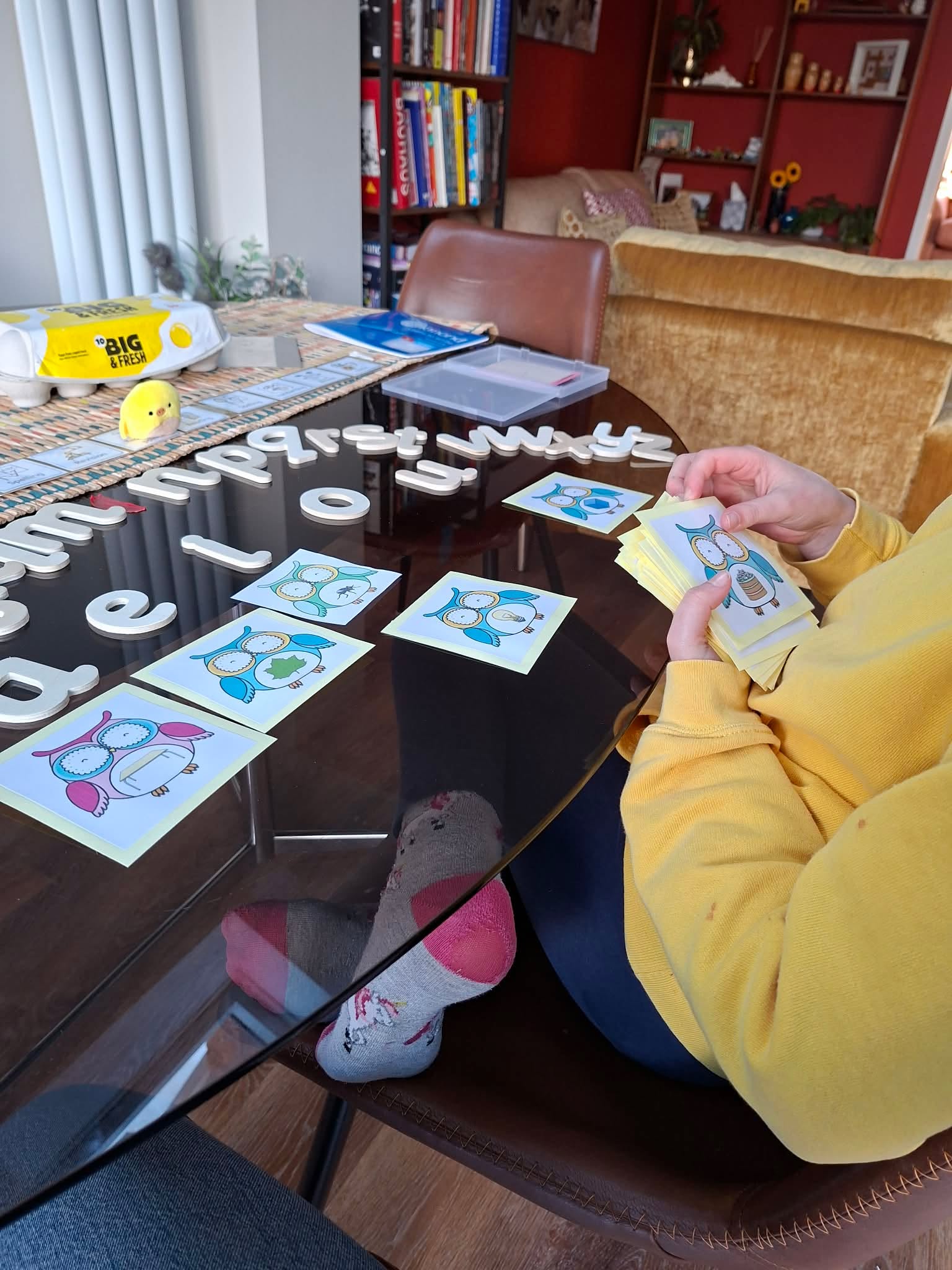
How learning is supported
New learning is introduced in a clear sequence and connected to secure earlier knowledge.
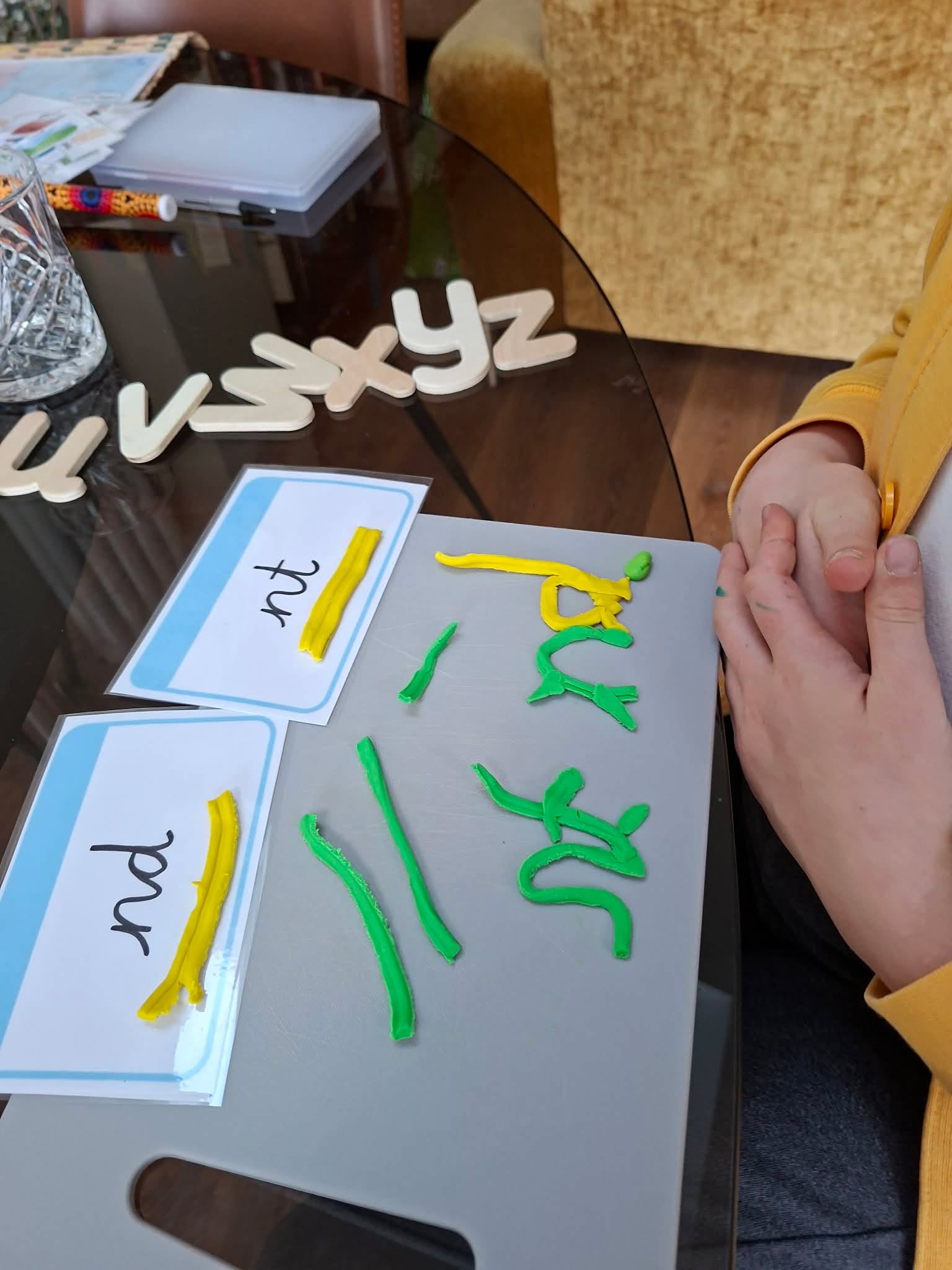
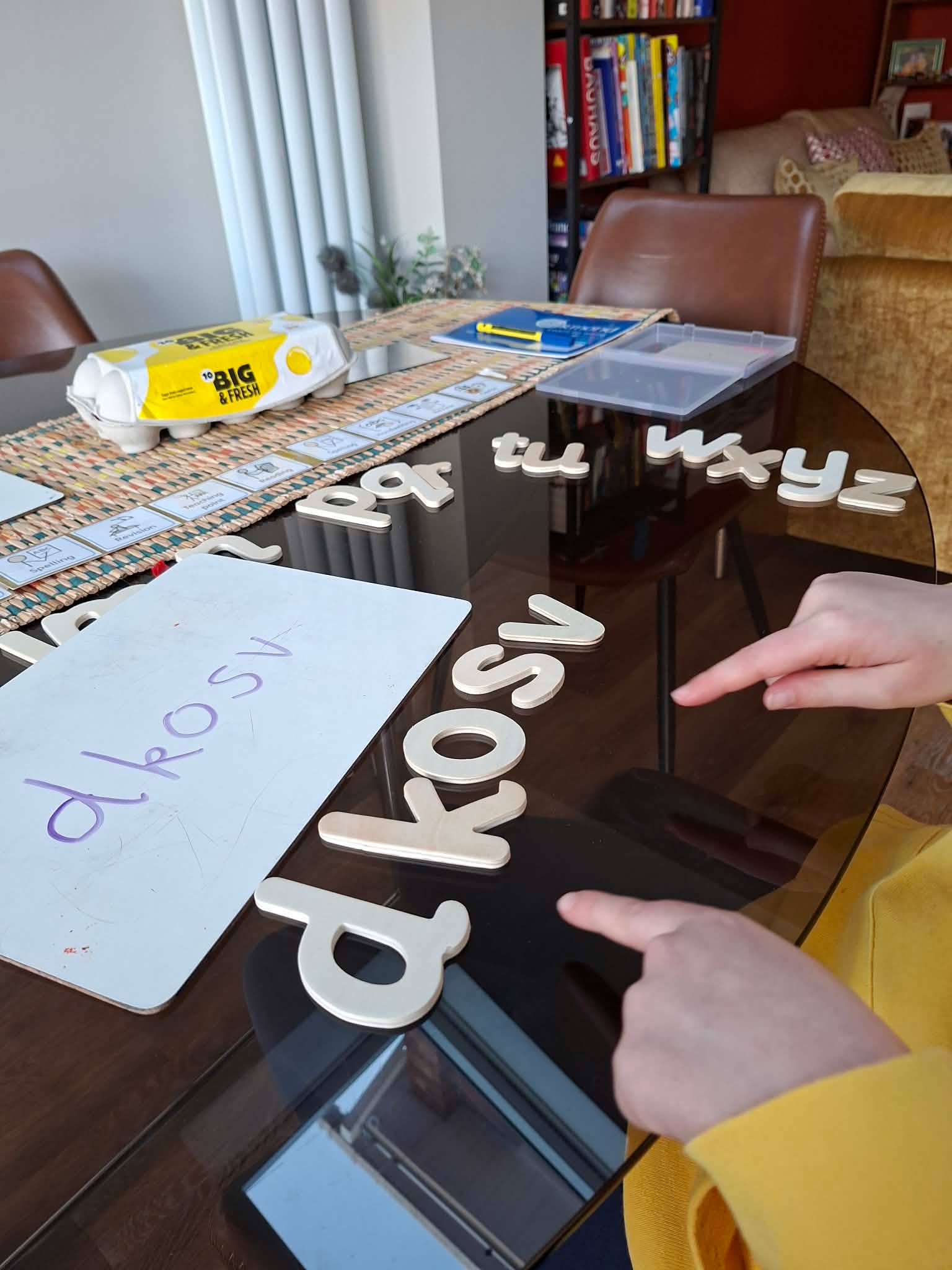
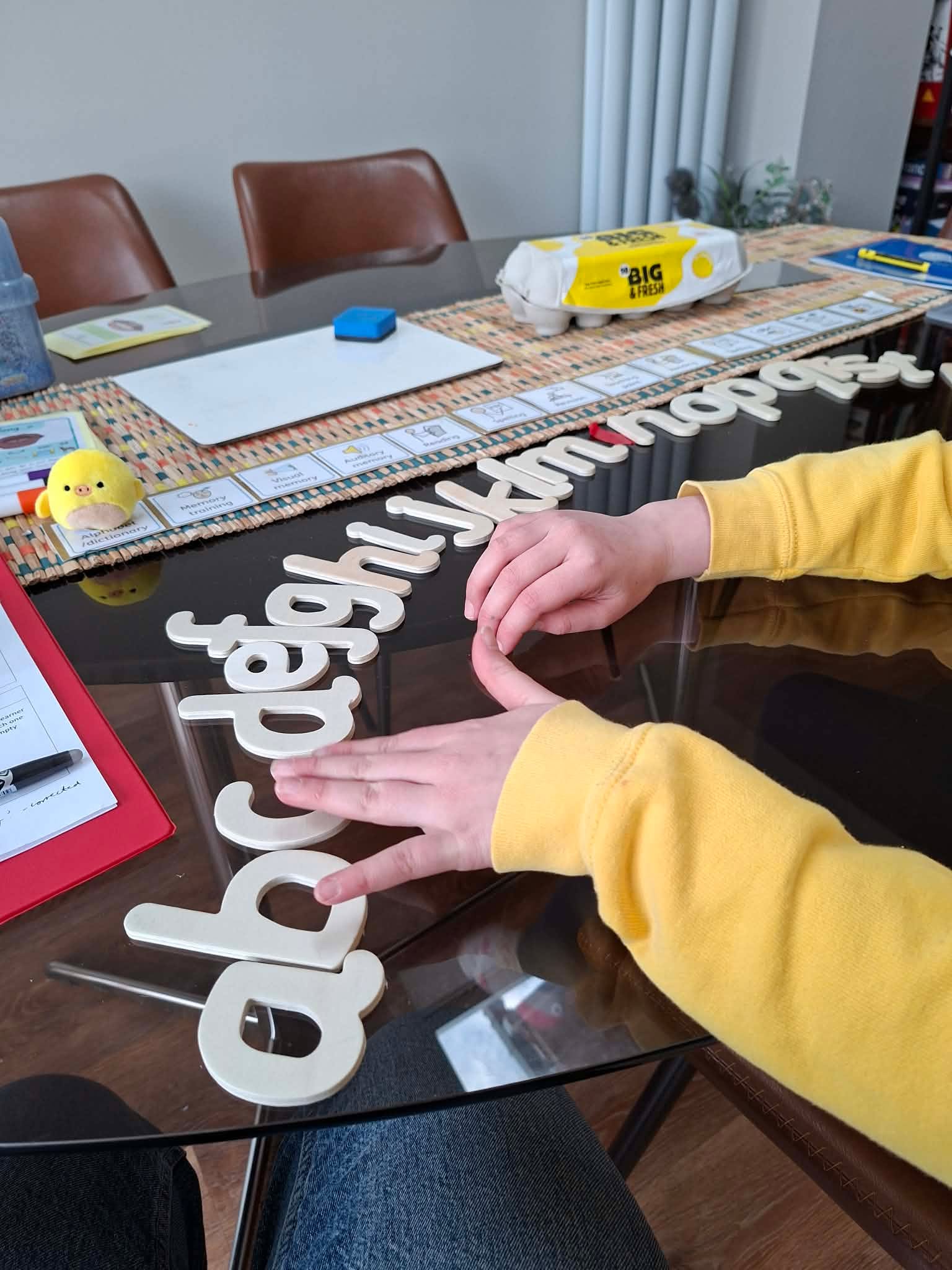
Learners see, hear, say and physically explore letters, sounds and spelling patterns.
Carefully planned repetition and overlearning help knowledge become more automatic.
Observation during each activity informs what is revisited, adapted or taught next.


Inside a session
A one-hour lesson has a familiar rhythm, but activities and timings are adapted to the learner. Routines are introduced gradually so that the structure supports memory rather than overwhelming it.
Revisit secure learning, check recall and make the lesson purpose clear.
Alphabet work, phonological awareness, visual or auditory memory and oral language activities.
A carefully selected reading or spelling point taught explicitly through small multisensory steps.
Handwriting, word-building, sentence work, dictation or supported reading in meaningful context.
A quick review, learner reflection and an age-respectful game or interest-based activity.
Individual and strengths-first
Lesson observations feed an ongoing assess–plan–do–review cycle. If a learner needs more time, a different explanation, additional memory support or a new way to practise, the teaching changes accordingly.
Interests such as animals, art, sport, music or technology can be woven into activities. Progress is noticed and discussed so that learners develop metacognition—the ability to understand which approaches help them learn.
Tuition options
Would specialist tuition help?